
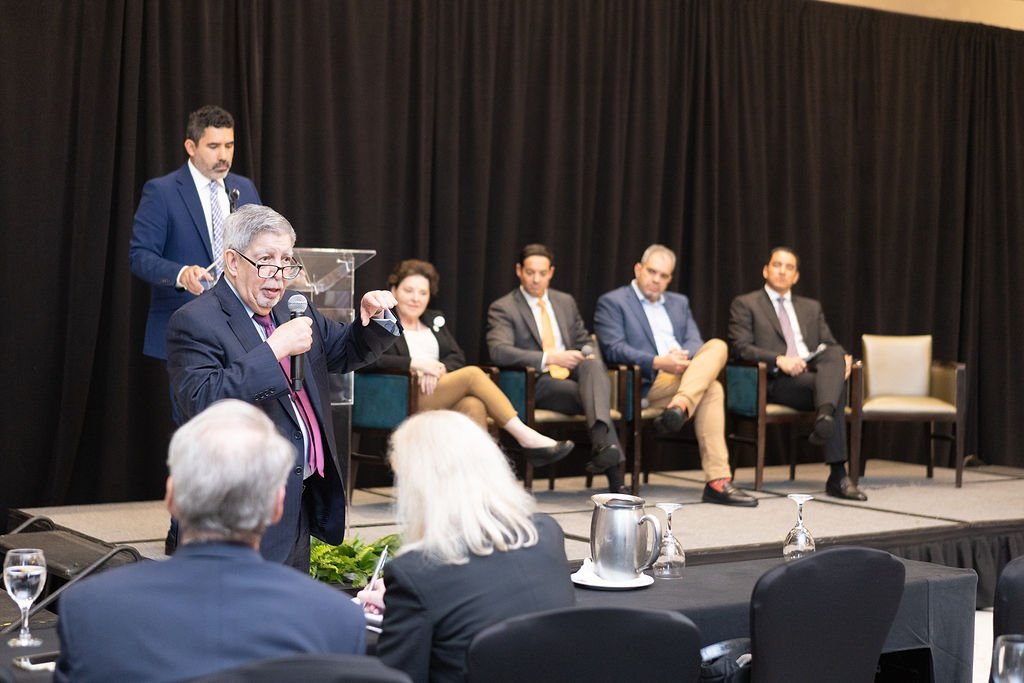
Western Panama Takes Center Stage at Panama-Texas Week 2026
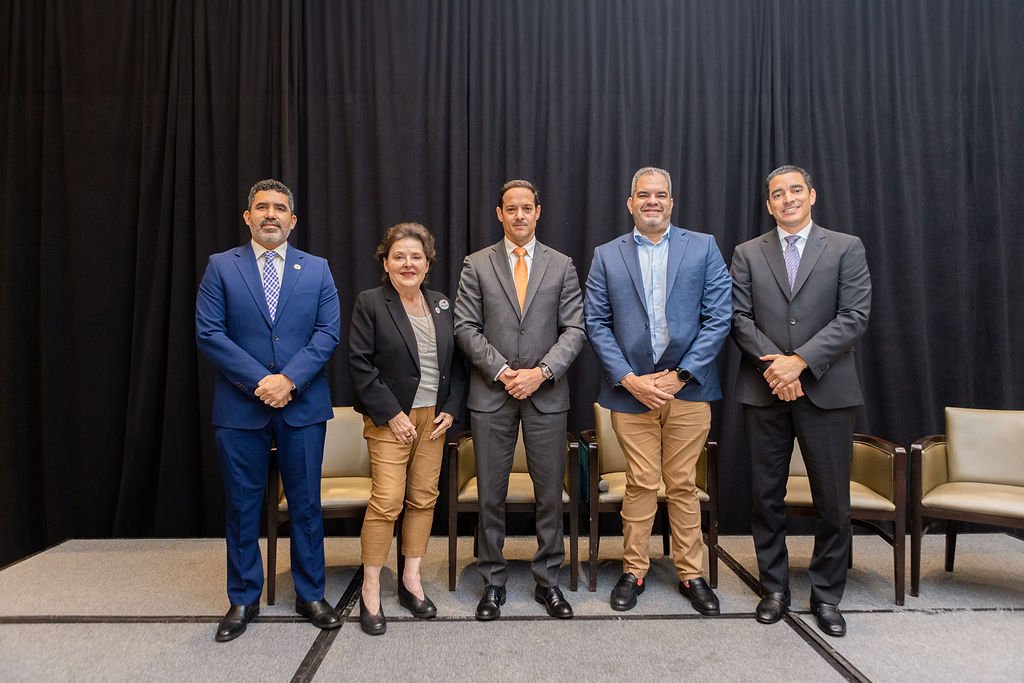
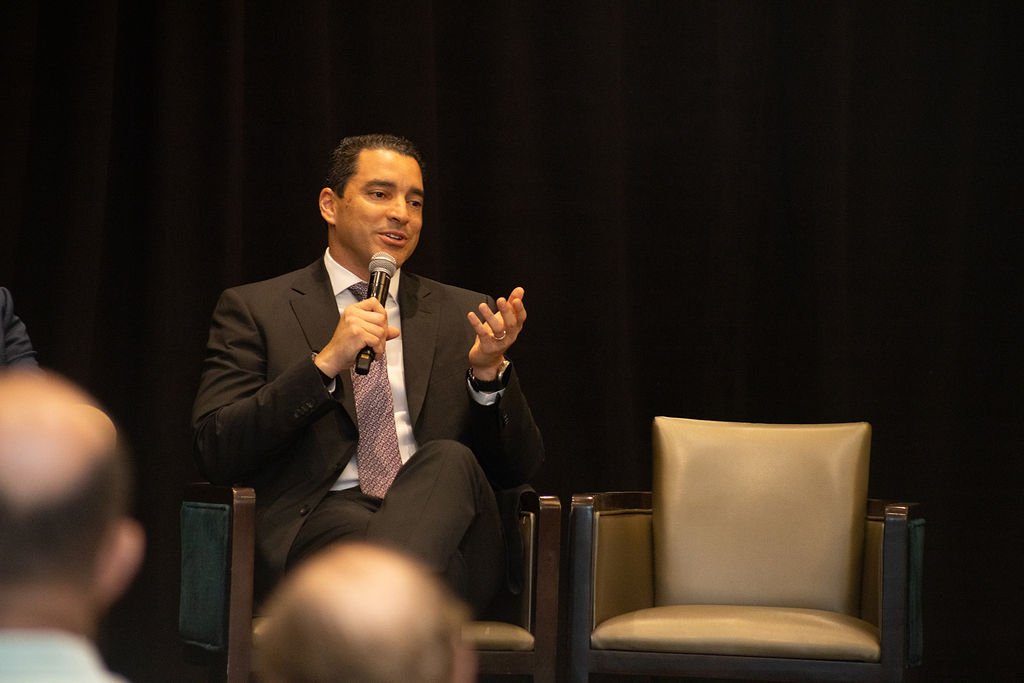
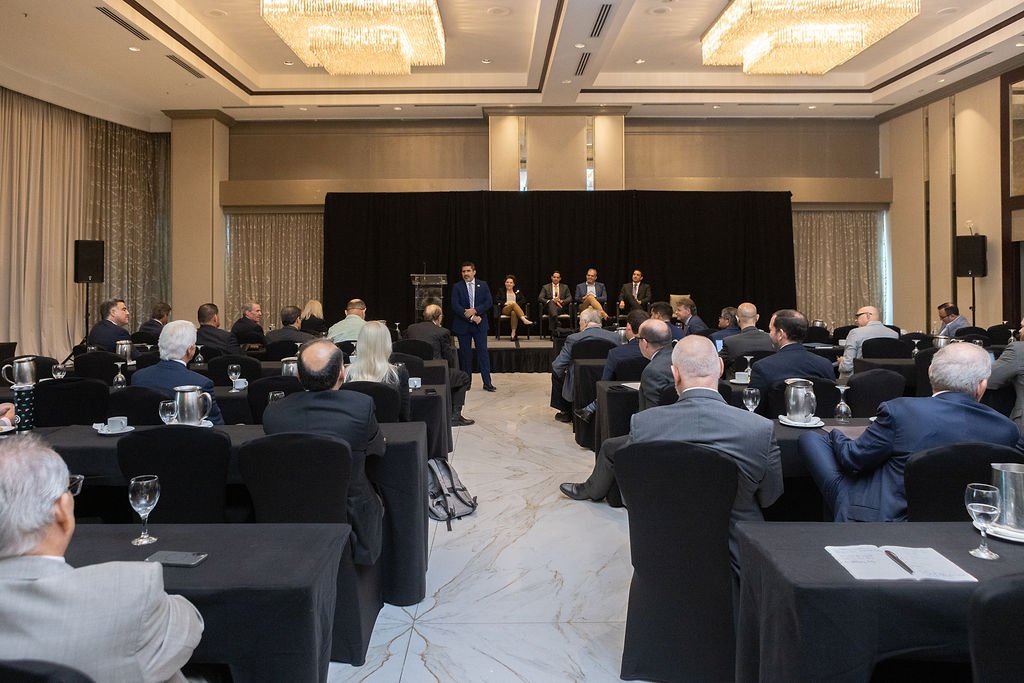
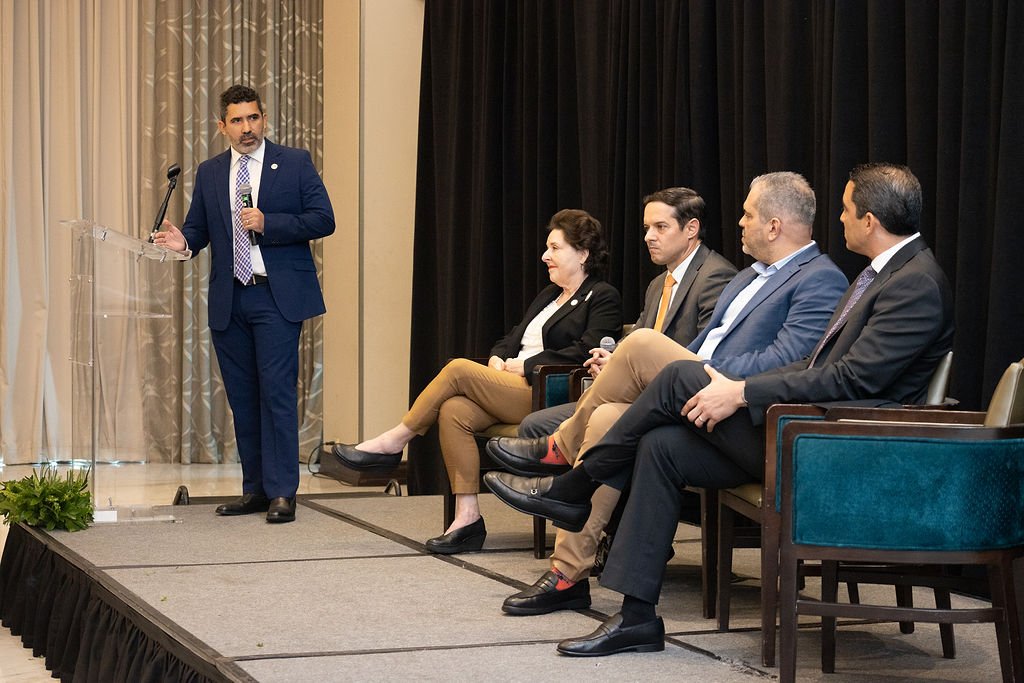
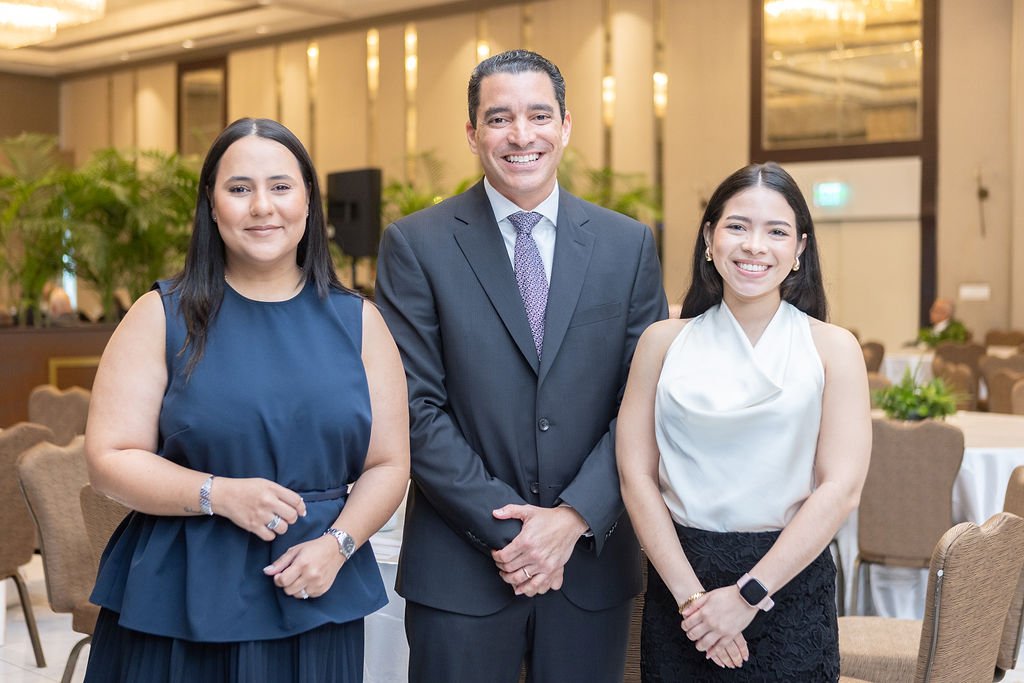
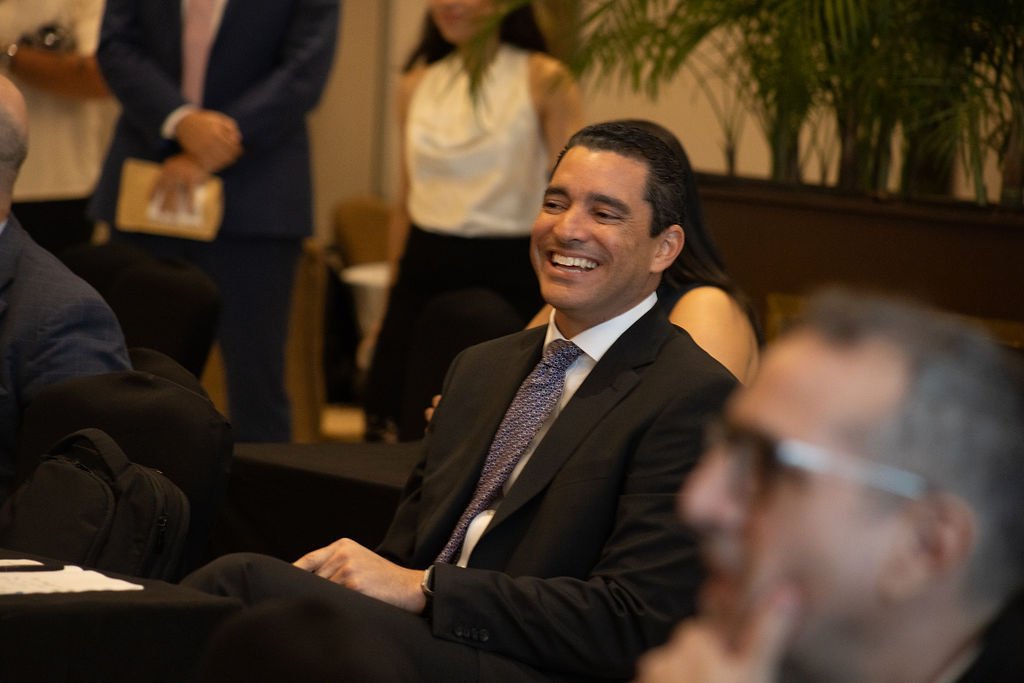
The development of new connections to western Panama opens an opportunity to bring its production, tourism, and economic potential to new markets. This was one of the key points raised by Ismael González, General Director of Puerto Barú in David, during his participation in Panama-Texas Week 2026, where he addressed the role of maritime infrastructure in integrating this region with the rest of the country and with Central America.
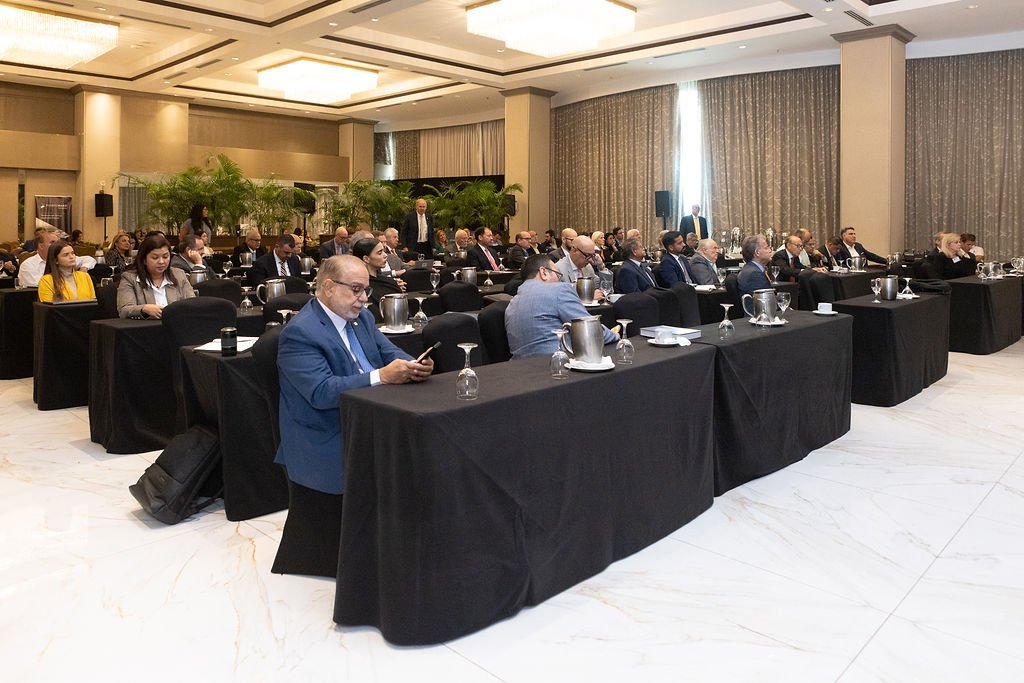
The business and trade mission, taking place from September 28 to 30 in Panama City, brings together representatives from the private sector, investors, and industry leaders in areas such as maritime, logistics, infrastructure, energy, and aviation, with the aim of strengthening trade ties between Panama and Texas.
During the panel, González presented Puerto Barú in David as a private multipurpose terminal that seeks to expand maritime connectivity options for western Panama and facilitate access from productive areas to domestic and international markets.
“We see a great opportunity for the western region. Puerto Barú in David is not only about developing a port, but about creating a more efficient connection between our productive areas, markets, and Panama’s logistics platform. Better connecting these areas with the Canal and Central America will benefit the entire region and the country. Improved connectivity can transform the way we move our products, bring us closer to new markets, and create new development opportunities.”
One of the main areas of potential identified is the agricultural sector. González highlighted that port infrastructure located closer to production areas can facilitate the movement of goods, particularly refrigerated products, and open new commercial opportunities in markets along the West Coast of the United States.
In this context, he referred to a study conducted by S&P Global, which identified approximately 280,000 hectares with the potential to transition to production oriented toward these markets, linking infrastructure development with new possibilities for productive growth in western Panama.
The proposal also has a regional dimension. The location of Puerto Barú could support greater integration with Costa Rica and other Central American countries, by providing an alternative for bringing their productive areas closer to Panama’s logistics platform and the Panama Canal.
This vision of connectivity also extends to territories that have historically faced greater limitations in access to infrastructure. During the panel, the potential for integrating western Panama through new connections was highlighted, including Bocas del Toro and the Ngäbe-Buglé Comarca, and for facilitating the integration of their productive and tourism activities with new markets.
In tourism, González noted that the area currently receives between 35 and 40 smaller cruise ship calls per year, but that the lack of infrastructure limits opportunities for passengers to disembark and explore destinations in western Panama. Greater maritime connectivity could help ensure that this flow of visitors generates economic activity in different parts of the region.
Puerto Barú’s participation in Panama-Texas Week 2026 provided an opportunity to bring this vision to a forum that brings together companies and organizations connected to strategic sectors of the Texas economy. Participants in the mission included companies and organizations from the maritime, port, energy, logistics, infrastructure, and aviation sectors.
The event was supported by organizations involved in strengthening business relations between Panama and Texas, including the U.S.-Panama Business Council (USPA), and brought together representatives interested in the opportunities Panama offers in trade, infrastructure, and economic development.
For Puerto Barú in David, the participation represents an opportunity to continue positioning western Panama within conversations on trade, investment, and logistics development, while showcasing how greater connectivity can bring its productive areas, tourism destinations, and communities closer to new opportunities.