
Overview
The planet at the center of every decision
From the start, this project was conceived as a model of sustainable development, with environmental responsibility embedded in every stage. For us, this is the only way to build Puerto Barú and connect Chiriquí with the world.
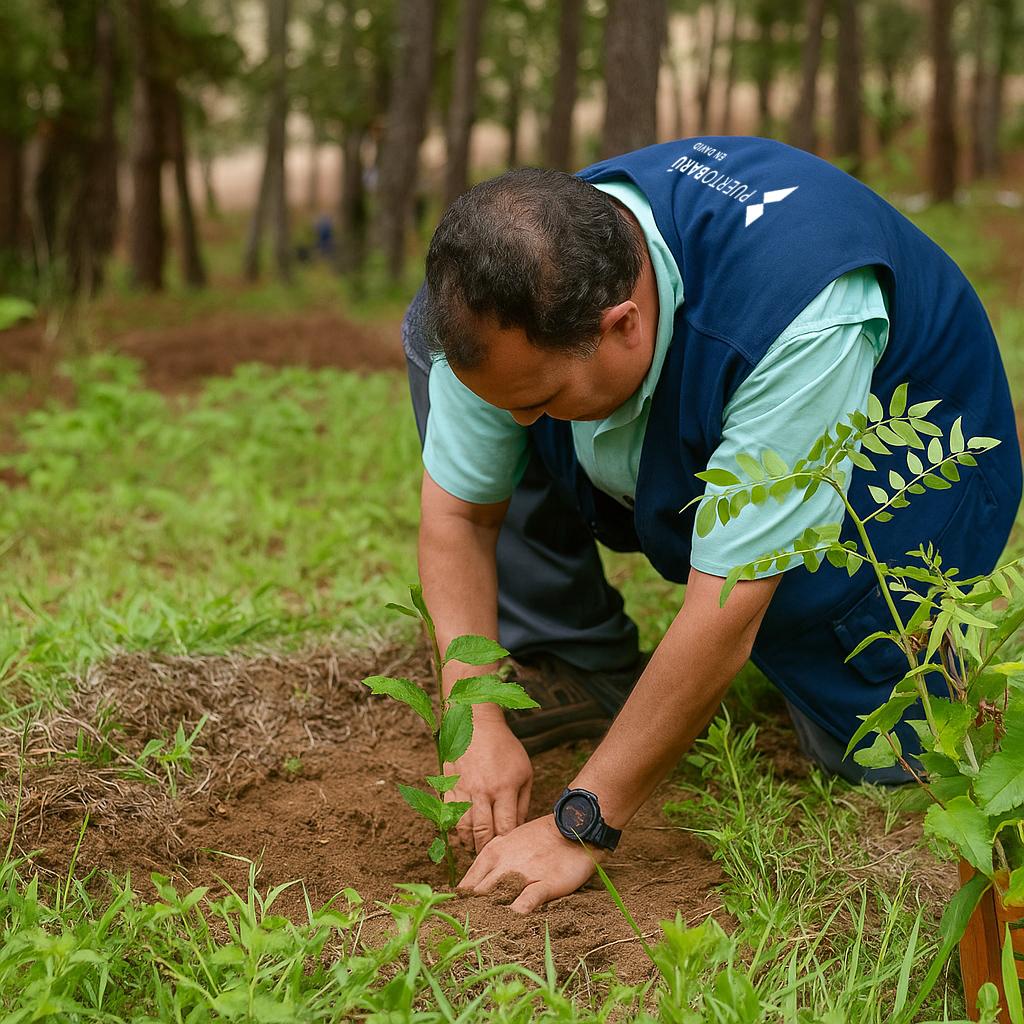
Everything begins with our Environmental Impact Study, approved by the Panamanian authorities, which integrates our Environmental Management Plan — a comprehensive framework that includes wildlife rescue and relocation, community education and awareness, reforestation with native species, and contingency plans for environmental emergencies.
Key Figures
Environmental Commitment in Numbers
Sustainability in Action
Key Pillars of the Environmental Management Plan
Ecosystem Protection
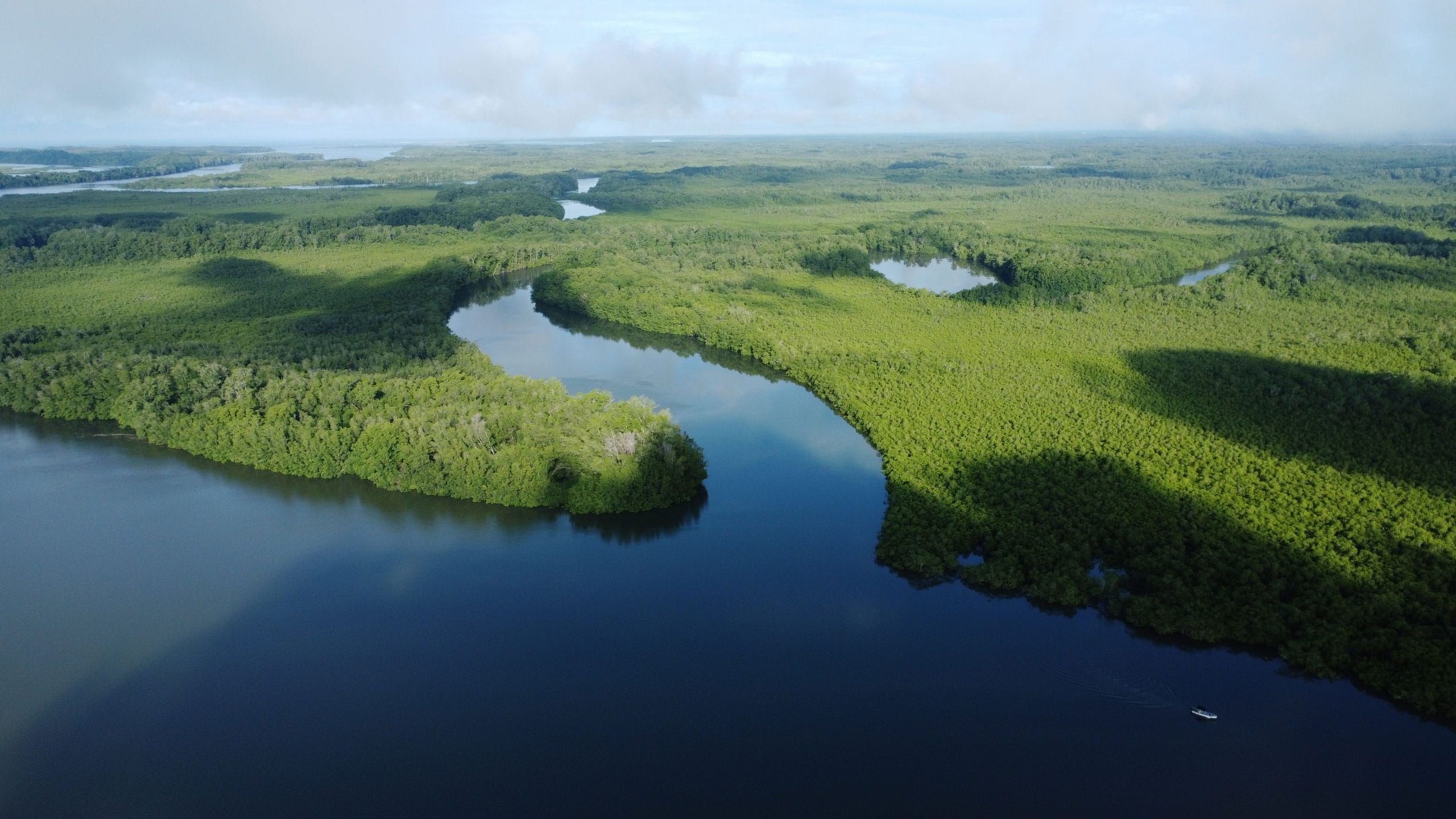
The plan focuses on wildlife protection, native-species reforestation, mangrove and wetland restoration, and dedicating 30% of the site to ecological corridors and conservation areas.
Responsible Resource Management
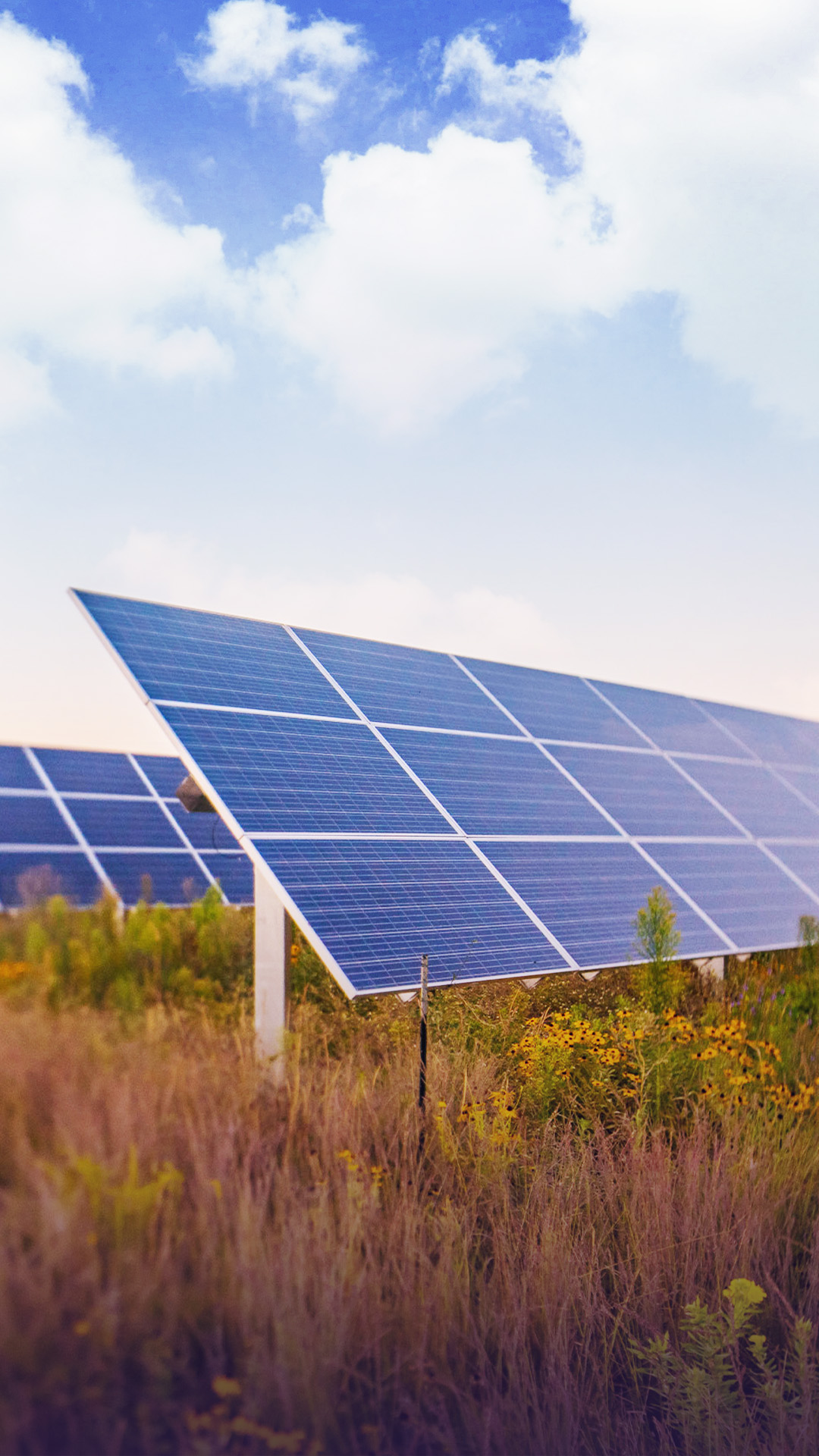
We protect natural resources through treatment plants, recycling programs, continuous monitoring, 100% renewable energy, and actions to reduce our carbon footprint.
Environmental Safety and Response
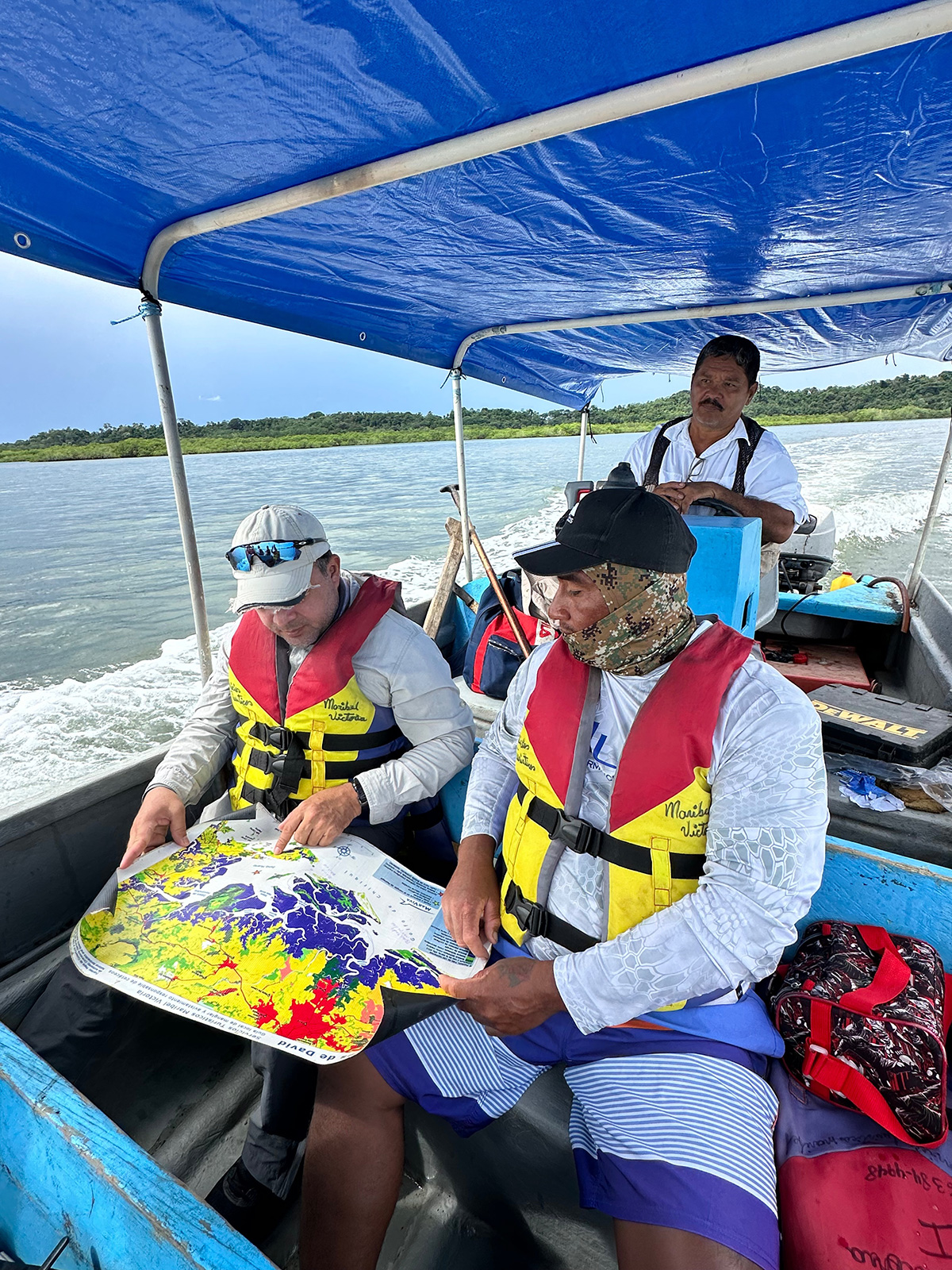
We apply safety measures such as controlled channel speed, contingency plans, and suction dredging under strict environmental monitoring to safeguard marine–coastal ecosystems.
Education and Community
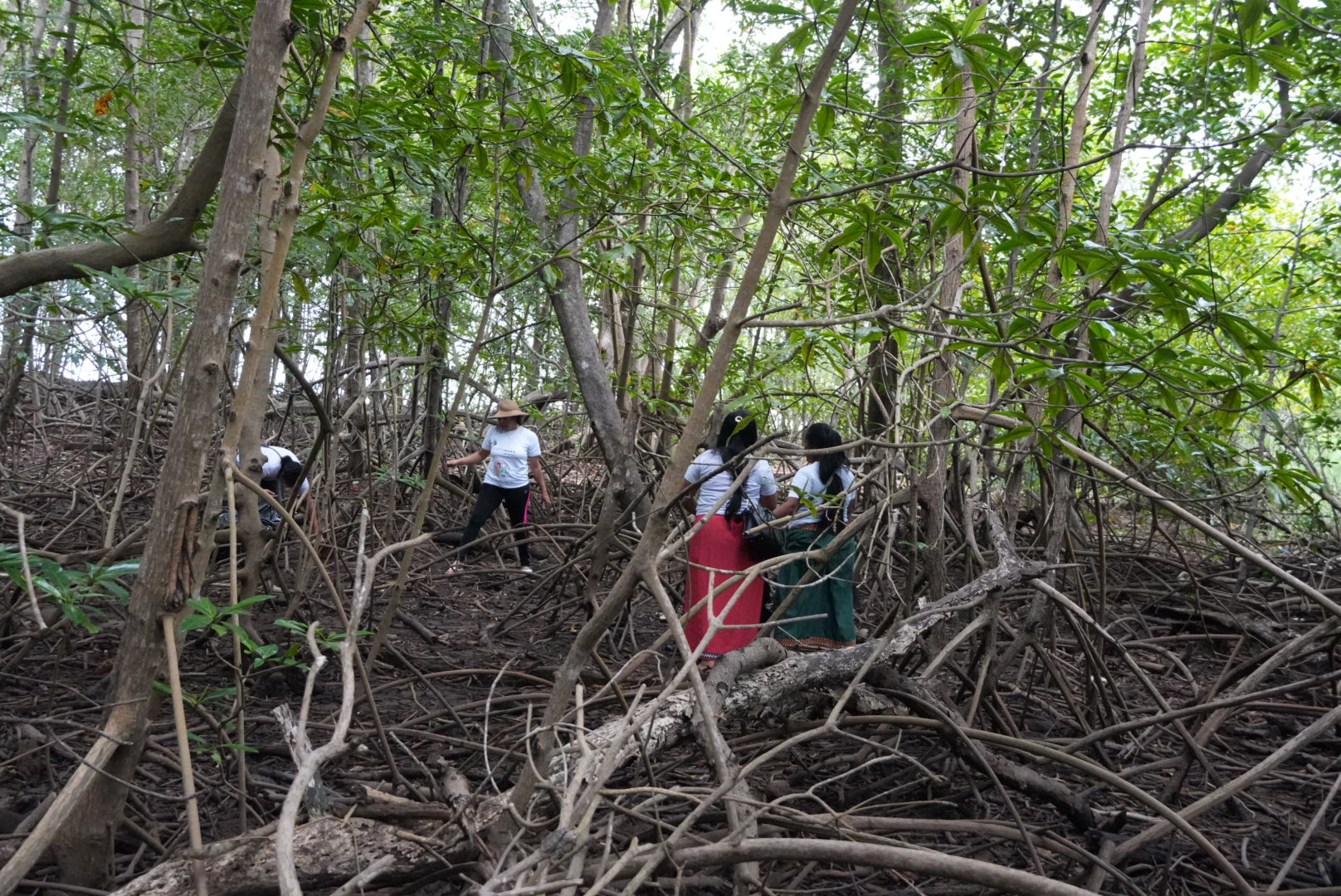
We promote awareness programs, workshops, and community participation with early warning systems — strengthening the relationship between Puerto Barú, local communities, and their natural surroundings.
Environmental Management Plan
Implementing the pillars of action
Our Environmental Management Plan is based on ecosystem conservation, responsible resource management, and impact prevention. Actions include reforestation, mangrove restoration, 100% renewable energy use, environmental monitoring, and contingency planning.
We also promote education and community participation through awareness programs and dialogue spaces — integrating local communities into the creation of Panama’s first green port.
Testimonials
Experts guiding our project

Allies
Joining efforts for environmental protection
Center for Research, Training and Entrepreneurship (CIFEm)
We work with the Center for Research, Training and Entrepreneurship (CIFEm) on conservation and environmental education programs that strengthen community participation and ensure independent monitoring of the project’s surroundings.
Panama’s first green port
The first port in Panama conceived
in harmony with nature
Resources
Documents of Interest
Resources
Frequently Asked Questions
How will the project affect the mangroves?
Puerto Barú in David will be Panama’s first green port, designed to operate under high environmental standards. Within the 124.6 hectares of private land where the project will be developed, there are no mangroves, and by law the project cannot affect mangroves.
We have a baseline study to determine the condition of the ecosystem prior to the project proposal, and as part of the Management Plan we commit to conservation and monitoring of ecosystems to maintain existing conditions. This includes guaranteeing forest cover and maintaining water and soil quality (preventing contamination).What mitigation and conservation plans are in place to protect nearby ecosystems?
As part of our Environmental Impact Study, approved through Resolution DEIA-UA-0003-2024 of January 16, 2024, by the Ministry of Environment, the project is required to submit semi-annual environmental audit reports to the government to ensure that all neighboring ecosystems are being preserved.
Additionally, as part of our environmental initiatives, we have allocated around 30% of our total land area to protection and conservation zones. These areas include the creation of an ecological corridor, buffer zones, a botanical garden, and conservation forest, reaffirming our commitment to responsible development and respect for ecosystems.
In addition, the project is committed to planting 100 hectares of new forest on land outside the project as an environmental buffer. Finally, we are also evaluating the possibility of planting 200 hectares of new mangroves in the area.How will solid waste, domestic wastewater, and other waste be managed?
Puerto Barú will have a solid waste treatment plant for handling and pre-treatment (dehydration and volume reduction) of domestic waste, which will then be managed by the Municipality of David.
In addition, two wastewater treatment plants will be installed that comply with all COPANIT regulations. In the case of industrial or hazardous waste, each third party or future operator must implement its own treatment system in accordance with current regulations.What will be the port’s energy sources?
Puerto Barú will operate with 100% renewable energy, one of the key sustainability criteria that aligns it with green infrastructure standards. All supply will come from solar parks located in the province of Chiriquí, which will sell their energy directly to the port. This energy will be complemented by on-site solar panels.
Where will the project’s drinking water come from?
Drinking water will come from a private reserve using deep wells, ensuring that nearby communities’ water supplies are not affected.
How will dredging be carried out in Puerto Barú’s navigation channel?
Dredging in the channel will extract sand, silt, and clay using a suction dredge (a non-invasive procedure) that will operate in controlled cycles: 1 time every 8 hours, with 16 hours of rest.
The navigation channel, which is 31 km long, already has mostly natural depths that allow vessel passage, so dredging will only take place in 6 kilometers, or approximately 20% of the channel. In terms of total channel area, only 4% will require dredging.How long will dredging take?
Construction dredging will last 18 months, since it is carried out slowly in order to minimize environmental impact.
How will mangroves be protected during dredging?
According to our mitigation plan in the Environmental Impact Study, approved by Panamanian authorities, suction dredging will be carried out along the edges of the navigation channel, always maintaining a minimum distance of 50 meters from mangroves, and operating once every 8 hours in controlled cycles. Designated disposal areas with proper oxygenation will also be used, avoiding sensitive zones.
Where will the dredged material be placed?
The dredged material — composed of sand, silt, and clay — will be deposited in a designated area of about 280 hectares. Each discharge cycle lasts roughly 15 minutes. This area contains no marine vegetation or species and has a rocky seabed located midway along the Puerto Barú navigation channel, within the same ecosystem.
Will the project take place in or near a protected area?
Puerto Barú in David is being developed on 100% private, titled land, outside of protected areas. We are near a mangrove ecosystem, which is found along the Chiriquí coast. By law, mangroves are protected, and within our Environmental Management Plan we commit to their conservation and monitoring.
Do whales or dolphins travel through the port area?
Whales remain in the open waters of the Gulf of Chiriquí, near Coiba, and do not enter the estuary or the Bahía de Muertos. Bottlenose dolphins are only found at the canal entrance, where vessel traffic will be limited.
It is important to note that the Puerto Barú navigation channel is already an area with considerable marine traffic from fishing and tourism vessels, and there have been no recorded impacts on dolphins. Likewise, in open waters there are no records of whale impacts from traffic moving through Coiba and Puerto Armuelles.What will be done to protect cetaceans (whales and dolphins)?
We will use the navigation routes already established by the International Maritime Organization, the Whaling Commission, and the Panama Maritime Authority, created to protect these species. In addition, vessels will navigate slowly (max. 6 knots), use only 10% of the navigation channel’s width, and operate four hours per day to minimize noise and wake.
Which Green Port certifications is Puerto Barú seeking to obtain?
Puerto Barú has been conceived from its design stage as Panama’s first green port. Our goal is to comply with the highest international environmental standards and to incorporate, from design through construction and operation, the criteria required to obtain internationally recognized certifications such as Green Port.
These certifications cover key areas such as the use of 100% renewable energy, responsible water and waste management, protection of marine and coastal ecosystems, emissions control, and safe and sustainable port operations.
No hay resultados que coincidan con tu búsqueda.
Contact
Connect with us
Do you have questions or want more information about Puerto Barú? Our team is available to answer your inquiries and guide you on collaboration opportunities.