
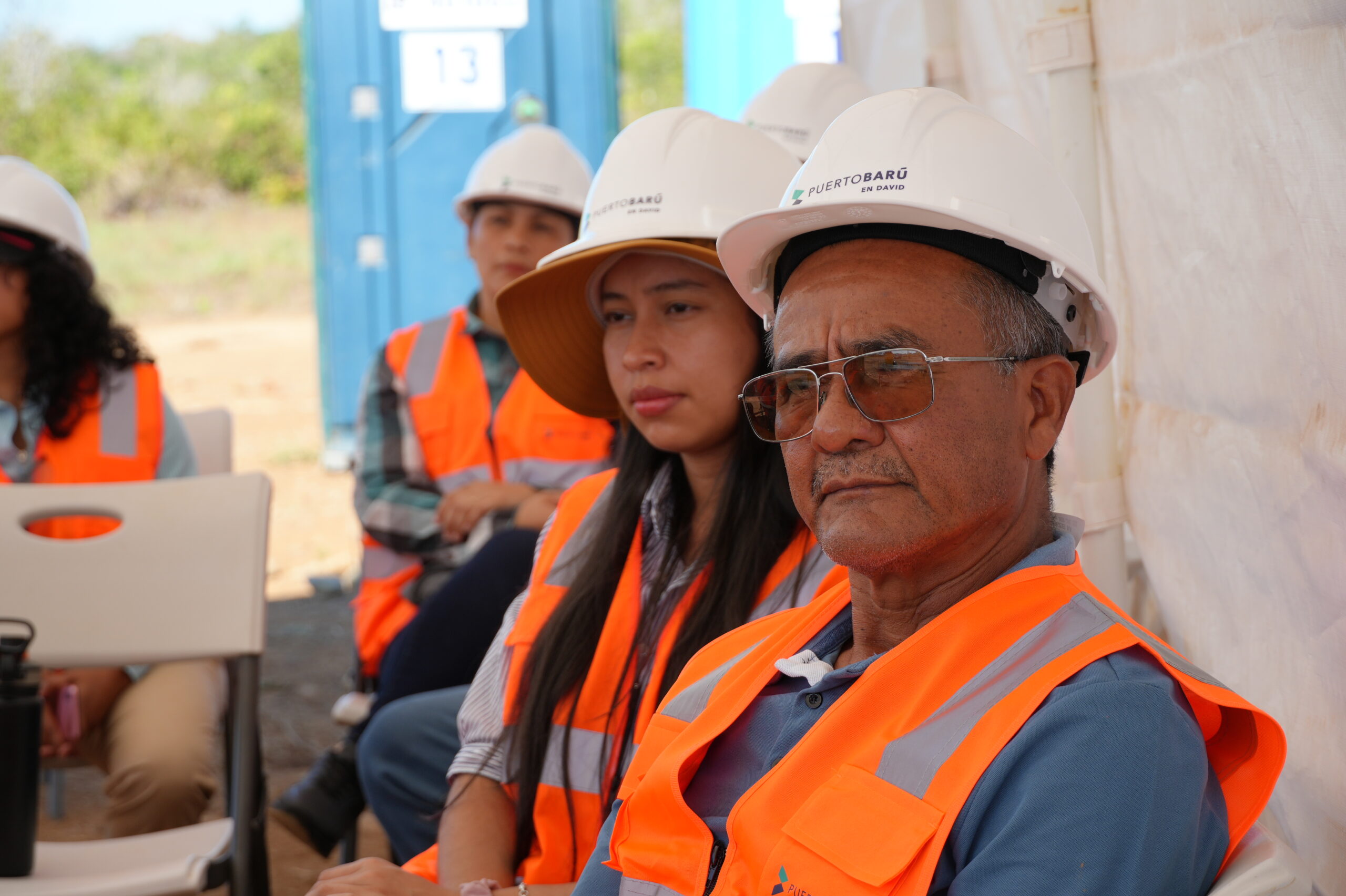
Advancing our soil restoration plan with community participation
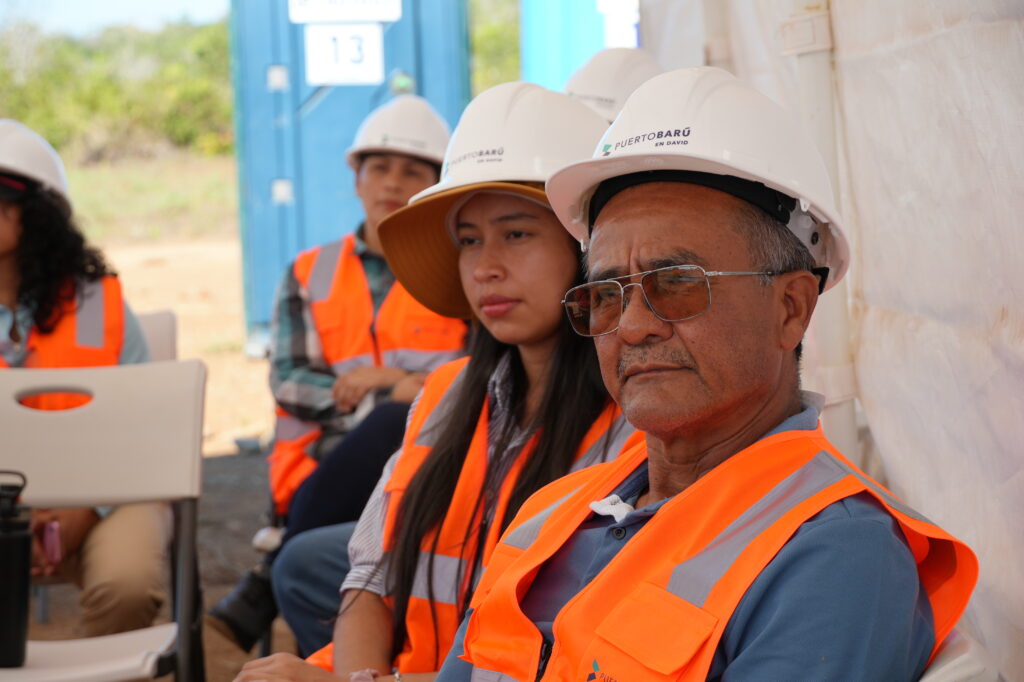
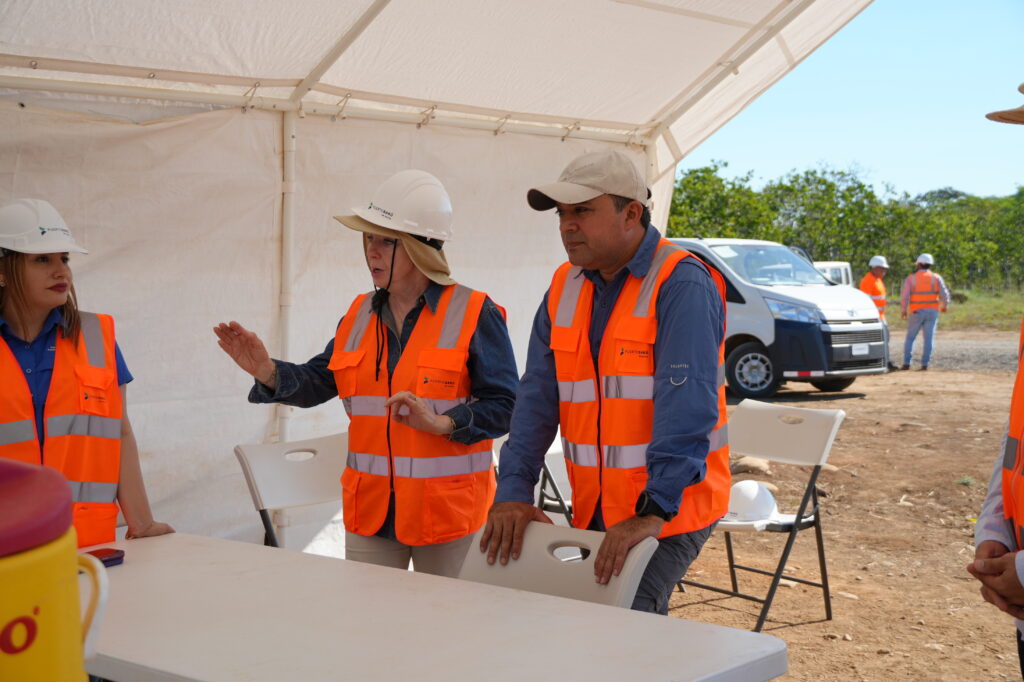
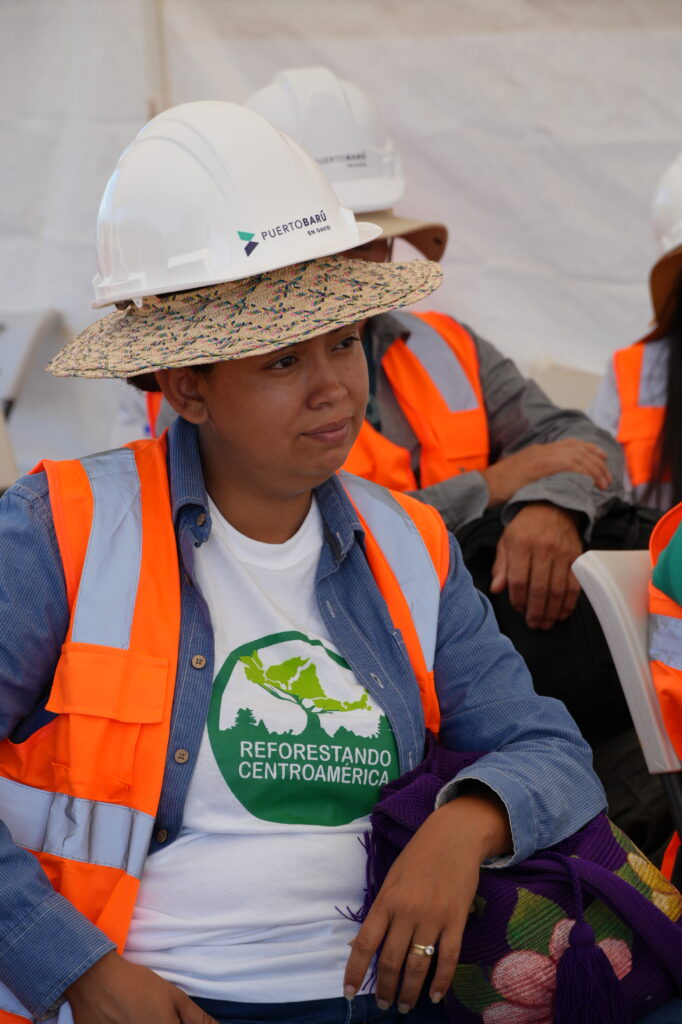
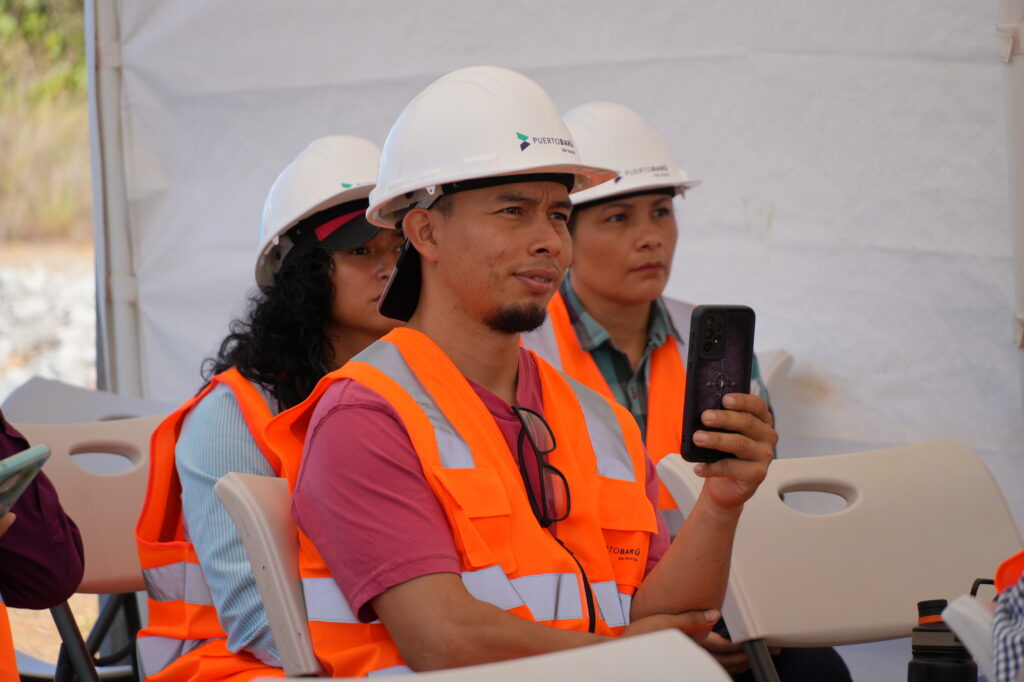
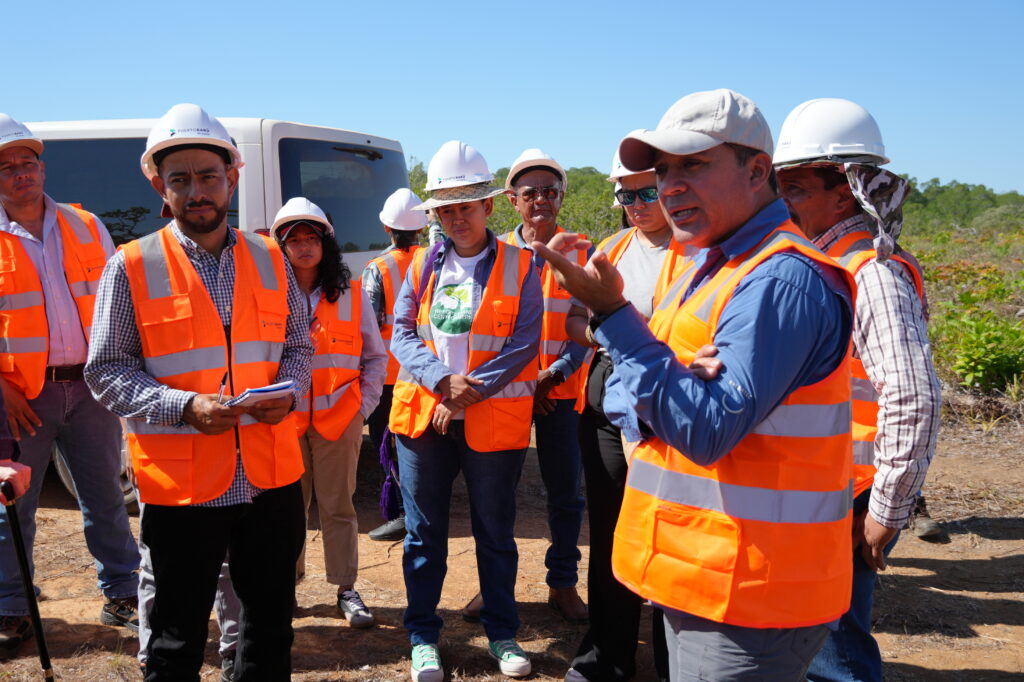
As part of our compliance with the commitments established in the resolution approving our Environmental Impact Study, we are moving forward with the second phase of the soil restoration plan, a key initiative within the project’s environmental management plans, implemented by the Center for Research, Training, and Entrepreneurship (CIFEm).
At this stage, we will use more than 14,000 seedlings of native species, including oak, guayacán, and hicaco, selected for their ecological value and their capacity to restore soil health. These plants will be sourced from community nursery groups, who will also be responsible for implementing the restoration process in the field.
The plan is developed under a collaborative approach led by CIFEm, where scientific research is integrated with the active participation of local communities. To this end, a network of agro-environmental nursery growers has been established, previously trained through workshops and collective learning processes, enabling them to apply their knowledge directly in the development of the project.
This process will be carried out in phases and will include ongoing support from specialists, such as engineer Jorge Faisal, promoting an exchange of knowledge between technical expertise and the practical experience of those who have worked the land for years.
In addition to environmental restoration, the initiative seeks to transform traditional practices that negatively impact the ecosystem, such as land burning, by promoting more sustainable models that protect biodiversity and strengthen soil health.
In this way, we are not only complying with the provisions of our environmental resolution, but also advancing a development model that integrates communities as key stakeholders, fostering environmental awareness and building a more sustainable future for the region.