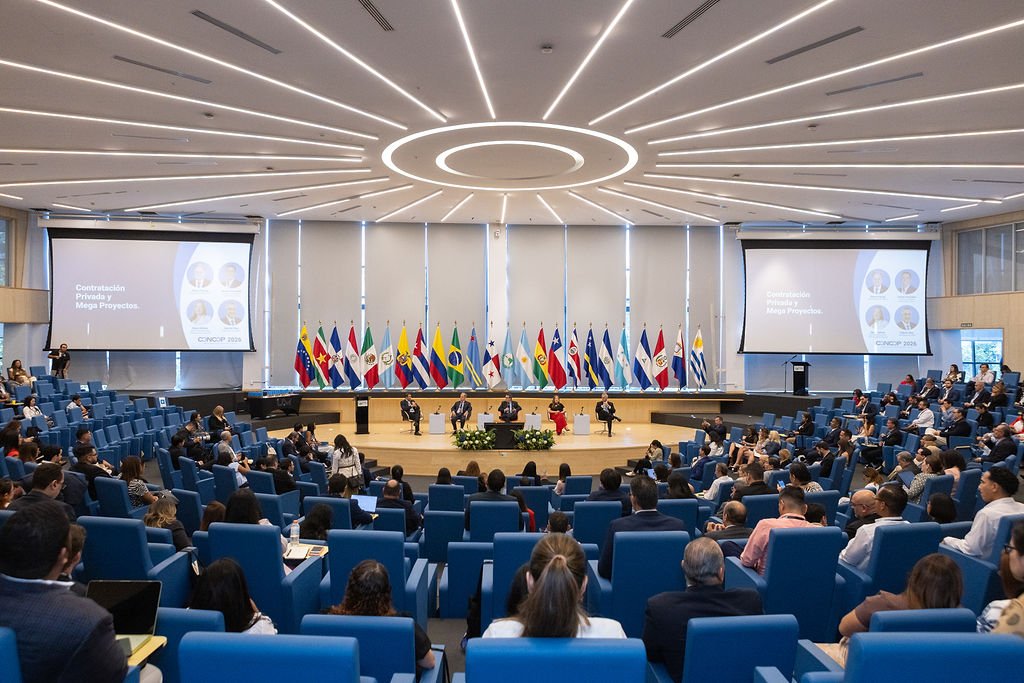
At CONCOP 2026, We Highlight the Potential of Western Panama to Drive the Country’s Growth
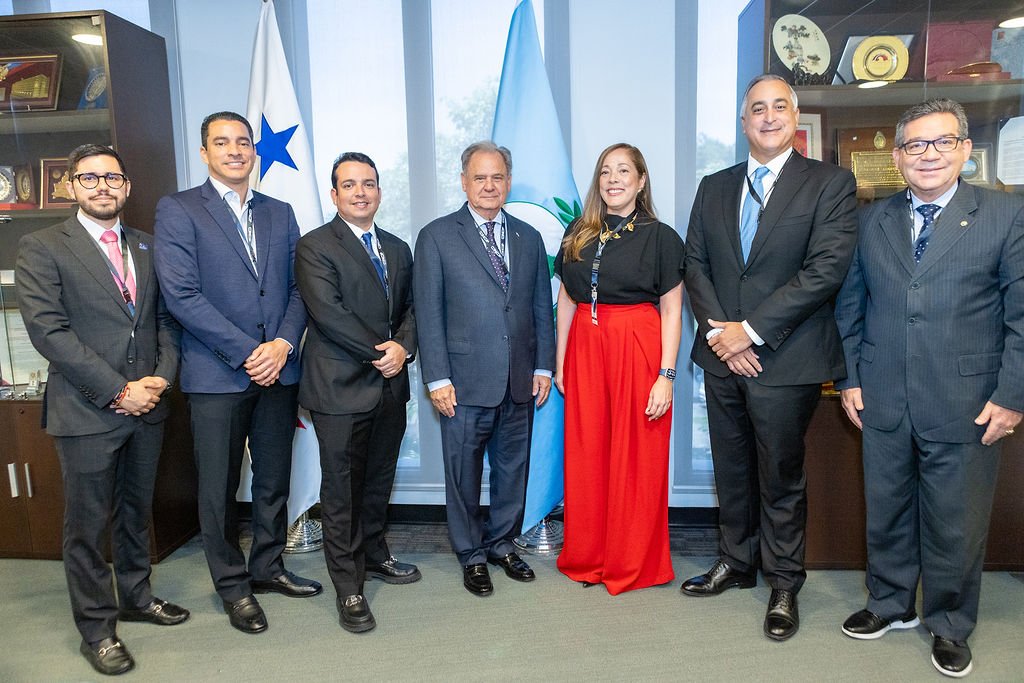
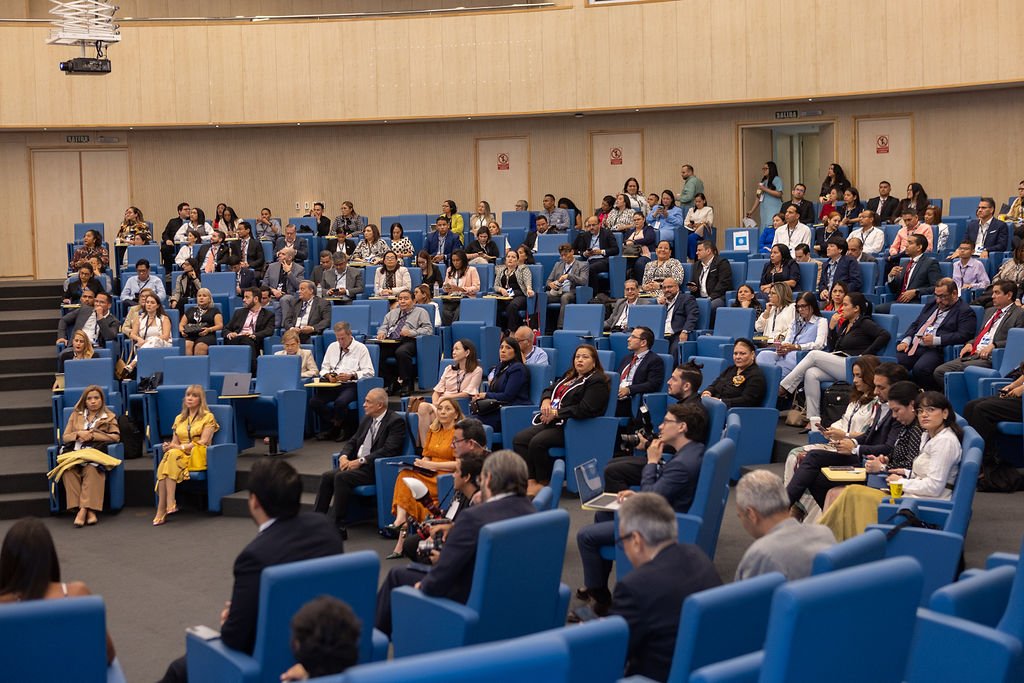
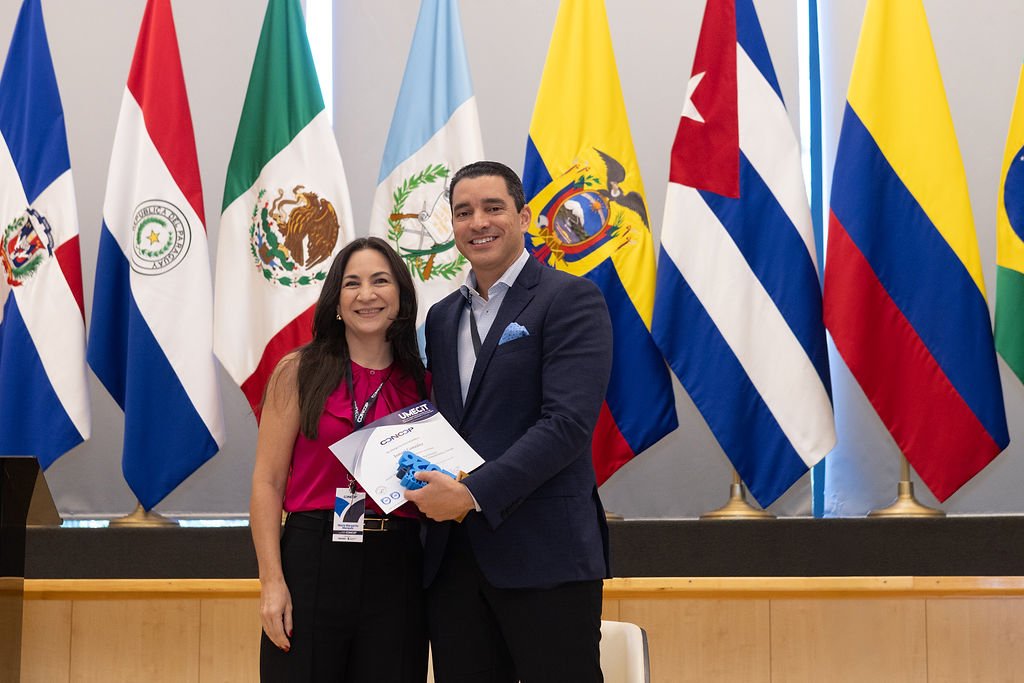
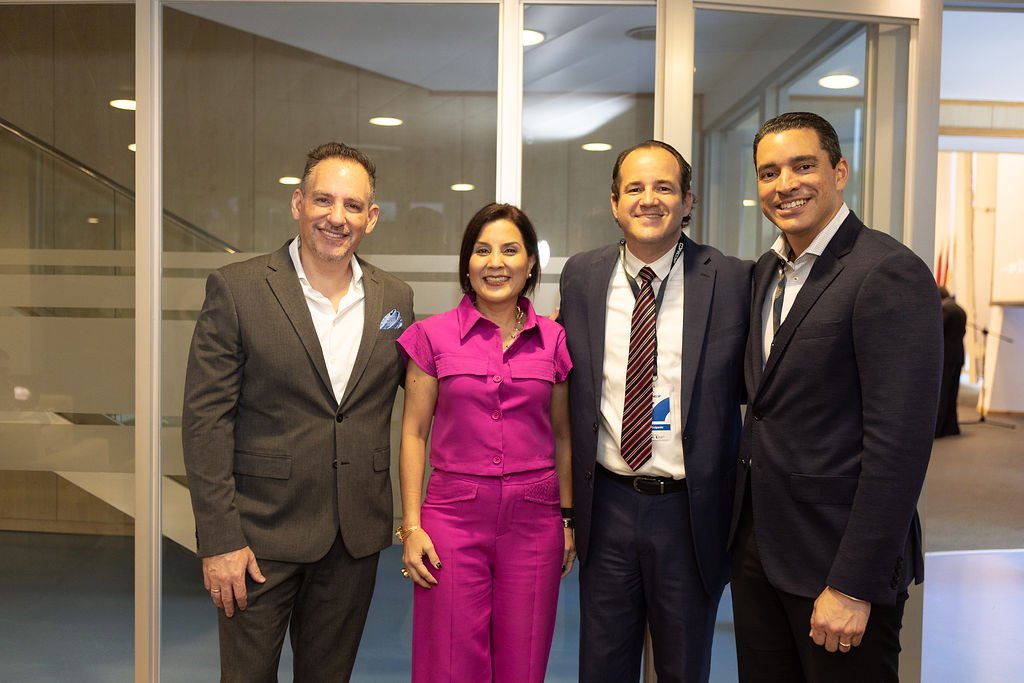
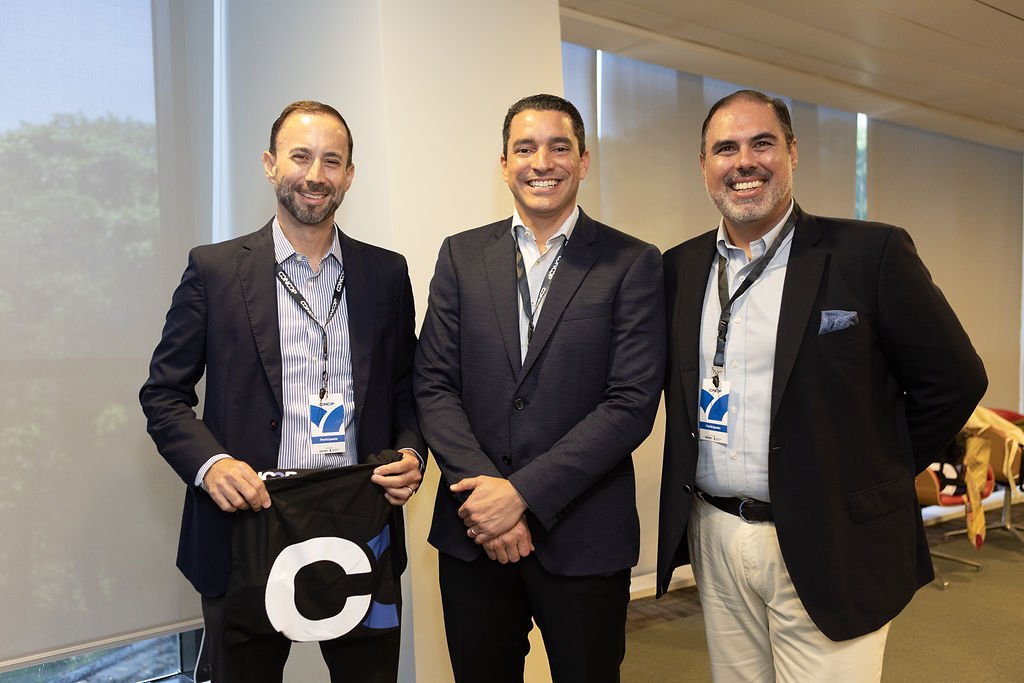
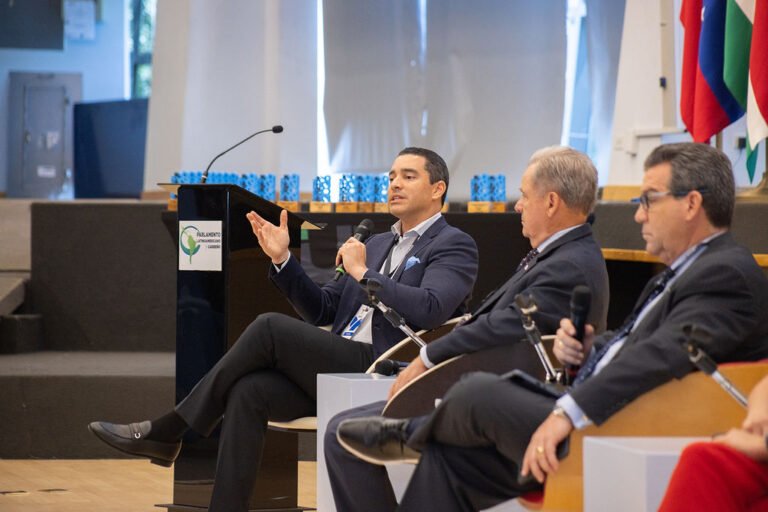
Puerto Barú participated this Thursday in the III National Congress on Public and Private Contracting (CONCOP 2026), where its General Director, Ismael González, shared his perspective on the role of infrastructure in the development of western Panama and the opportunity for the country to strengthen its logistics capacity in this region.
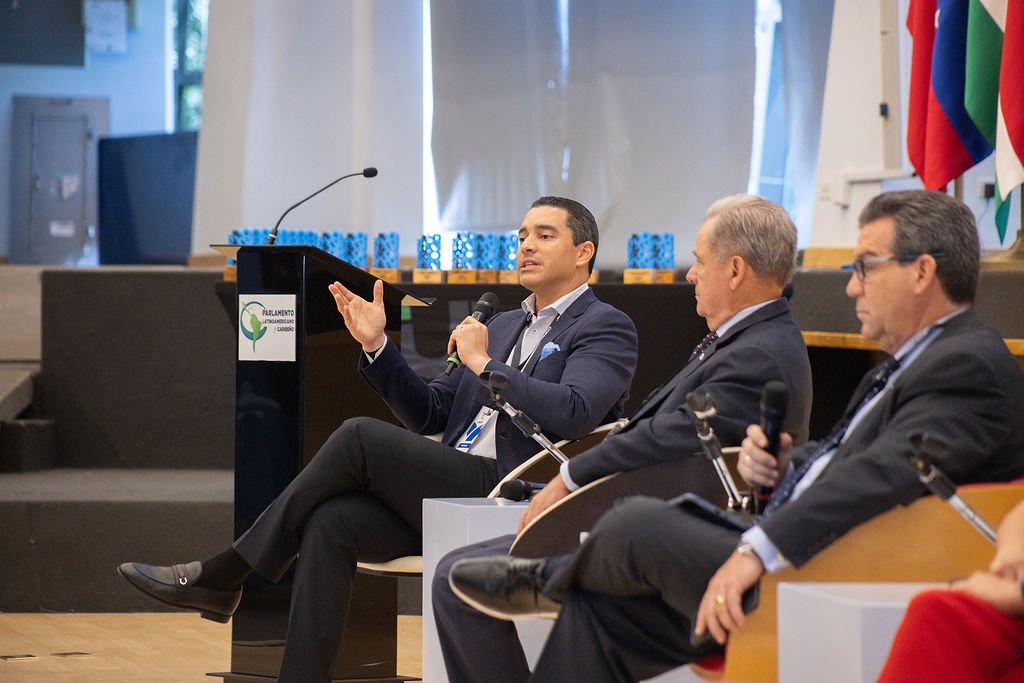
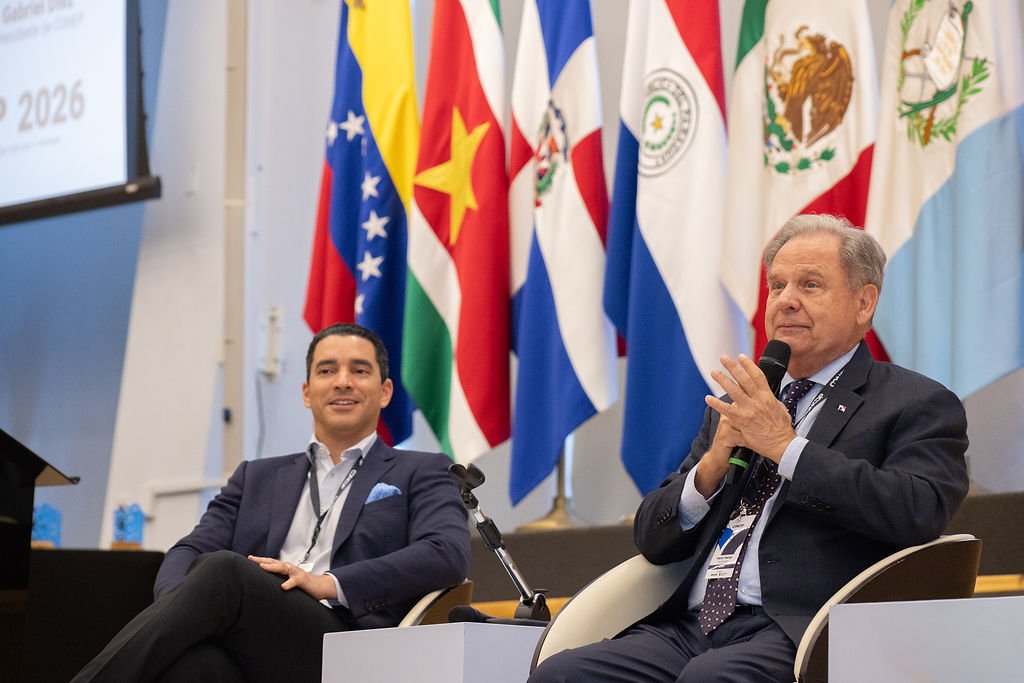
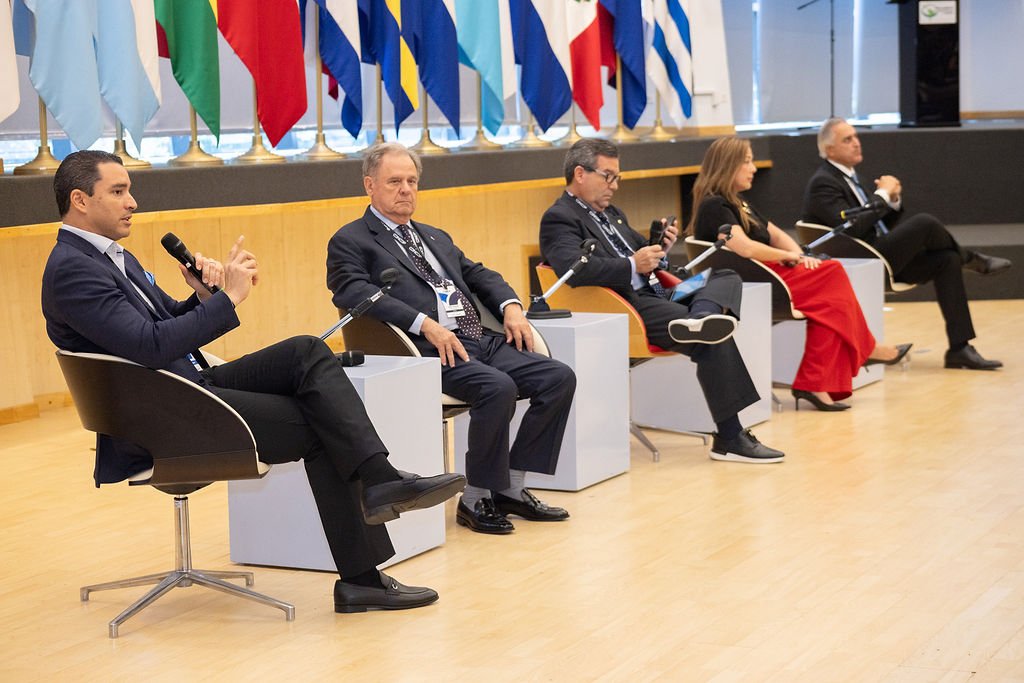
González participated in the panel “Private Contracting and Megaprojects,” alongside representatives from the Railway Secretariat, Minera Panamá, and the National Council of Private Enterprise (CONEP), moderated by Guido Rodríguez.
During his remarks, he highlighted that Chiriquí is one of the country’s leading productive regions, yet a significant share of its production has historically been far from efficient access to an international port on Panama’s western Pacific coast. Puerto Barú in David seeks to change this reality through an estimated US$250 million private investment, envisioned as a multipurpose port complex and logistics platform for western Panama.
Beyond the jobs it will directly generate, González explained that the greatest impact of infrastructure of this nature will be seen in what develops around it: greater competitiveness, access to new markets, and increased investment.
“Its most important impact will be what happens beyond the port,” González said.
A clear example of this potential is Del Monte’s interest in developing and expanding banana and pineapple production in western Panama, linked to the future operation of Puerto Barú. According to González, this initiative demonstrates how the prospect of new infrastructure can begin to stimulate production decisions even before it becomes operational.
Additional opportunities include coastal shipping, regional trade, and tourism associated with the Gulf of Chiriquí, including mini-cruises and yachts. In this context, Puerto Barú in David is envisioned as enabling infrastructure capable of connecting the production of western Panama with new markets and generating new economic activity.
This vision is accompanied by ongoing preparation efforts with local communities. Since April 2025, the project has been implementing initiatives to prepare organizations and local stakeholders for the economic opportunities that may emerge around Puerto Barú and other strategic projects in the region.
On environmental matters, González reaffirmed that development must move forward with technical rigor, compliance, and transparency. The project has a Category III Environmental Impact Assessment, approved by resolution on January 16, 2024, and has submitted five Environmental Monitoring Reports to the Ministry of Environment.
For González, the development of Puerto Barú represents an opportunity to extend to western Panama some of the logistics capacity that has made the country an international benchmark.
“We are not building infrastructure simply for the sake of building it. We are building connectivity to turn productive capacity into economic opportunities,” González reaffirmed.
With this vision, Puerto Barú in David seeks to contribute to making the development of western Panama an opportunity to strengthen the country as a whole, connecting Chiriquí’s production with new markets and creating new pathways for growth for Panama.